Ok atheists, you think you've got the final nail for the coffin of Catholicism hidden in reading minds with brain scans. A core part of Catholic belief is the human soul, a metaphysical part of us that allows us to have intelligence past that of other animals. While watching an episode of Through the Wormhole, I realized there are a bunch of things that could be seen as arguments against the existence of the soul. Here, I'll address that.
I'll start in an unconventional way by conceding many things. First, you are correct. Your memories are hidden in the brain. They can be changed. Second, dreams are a pure part of us. The human brain controls and broadcasts images to our soul. Third, the soul does not see, hear, touch, taste, or smell. You're right. That's the brain.
So now let's show why these aren't sufficient disproofs of the soul.
On the memory statement. Memories can shape how we think and act. However, they do not change who we are. Memories on their own do not do anything. They are like pixels on a computer screen. They don't mean anything unless we assign meaning to them. That analogy applies perfectly to memories. Memories are like a storage of what we see and hear and detect with our senses. However, the soul is how we apply our identity to them. That's why some people would view one memory one way and another a different way. The soul is how we apply our knowledge and our experiences.
Now what if they were changed? When people suffer amnesia, they don't lose their identity. While a movie character probably isn't the best example, Jason Bourne is well known. Bourne wakes up with no knowledge of who he is or what he is. However, he still has a personality that exists separate from his memories. That example, and its real life counterparts, show why there is a metaphysical part of us that makes us intelligent. Our personality is not stored within the neurons in our brain. Our personality is a metaphysical part of our soul that is given to us by God.
On the dream statement. Dreams are an inherent part of us. Yes, that's true. By nobody knows what causes dreams. Why can we dream but not be conscious of how to change it? My theory is that the brain takes data from our everyday lives and from motor detection and creates a sort of movie with it. It's like a 4D movie. That's because the brain is the bond between the soul and the physical world. So when the brain takes stuff we've experienced and makes a dream out of it, the soul, our intelligence, still analyzes it via a separate part of us. That's why you can still think in your dreams. I had a dream once. I was on a date with someone I knew. I didn't like her when I was awake. As a result, I kept thinking, while trapped in the dream, that she wasn't my crush. You see, the dream shows us the disconnect between our brains and our soul. Our soul is what interprets and thinks and makes us different from others.
Now on the third statement. I'll define the soul here. The soul is a metaphysical part of each one of us that grants us intelligence and rationality. It also grants us an intuition. The brain is like a camera. it takes information and records it. However, it doesn't do anything to interpret it. Our soul, on the other hand, is like a computer processor. It lets us interpret what's going on. It lets us control our emotions. It lets us feel our emotions in a very vivid manner. The brain relays messages to the soul, and the soul analyzes it. The brain is what detects angry when someone wrongs us. The soul is what labels it as such. The soul is what puts things together to make sense of things.
Wednesday, June 5, 2013

Sunday, June 2, 2013
Because the Bible Says So
This is a very, very common rationale behind many controversial subjects Christians support. However, while the Bible is true in a moral and allegorical sense, those who use it as their sole justification are just as wrong as those who don't believe.
I'll start the body of this article with a quote from Revelation 3:16: "But since you are like lukewarm water, neither hot nor cold, I will spit you out of my mouth!" Those who simply quote the Bible epitomize this. While the Bible is correct, we are called as Catholics to transcend petty arguments about quoting the Bible as the whole justification for a doctrine. Rather, it is important for us to understand and analyze why the Bible says what it does. By saying "the Bible says so" as our go to backup against arguments by those who do not believe, we fail to recognize our obligation to understand the Bible. While it is true that the Bible is infallible, and moral truths expressed in it are consistent with the will of God, that doesn't make it suitable as an argument to make. I am not saying it is an insufficient argument. Rather, I am saying that those who use it as their first go to justification have insufficient knowledge of their own faith. Those who merely quote the Bible, not knowing why the Bible says what it says, and not knowing God's reasoning for his morals, are lukewarm in their faith because they refuse to invest their time into it.
So to sum this post up, don't automatically quote the Bible when confronted about the Church's controversial teachings. Rather, find a reason why it is true via reflection and personal reasoning. By reaching the objective truth of the BIble through your own efforts, you know what the Bible means and can analyze it much better than if you merely memorize a few words about it. So, to all of you that believe the Bible is sufficient as an argument for controversial teachings, you are correct in that regard. However, you are wrong to think it is okay under God to simply memorize words and not understand their meaning as a Catholic.
I'll start the body of this article with a quote from Revelation 3:16: "But since you are like lukewarm water, neither hot nor cold, I will spit you out of my mouth!" Those who simply quote the Bible epitomize this. While the Bible is correct, we are called as Catholics to transcend petty arguments about quoting the Bible as the whole justification for a doctrine. Rather, it is important for us to understand and analyze why the Bible says what it does. By saying "the Bible says so" as our go to backup against arguments by those who do not believe, we fail to recognize our obligation to understand the Bible. While it is true that the Bible is infallible, and moral truths expressed in it are consistent with the will of God, that doesn't make it suitable as an argument to make. I am not saying it is an insufficient argument. Rather, I am saying that those who use it as their first go to justification have insufficient knowledge of their own faith. Those who merely quote the Bible, not knowing why the Bible says what it says, and not knowing God's reasoning for his morals, are lukewarm in their faith because they refuse to invest their time into it.
So to sum this post up, don't automatically quote the Bible when confronted about the Church's controversial teachings. Rather, find a reason why it is true via reflection and personal reasoning. By reaching the objective truth of the BIble through your own efforts, you know what the Bible means and can analyze it much better than if you merely memorize a few words about it. So, to all of you that believe the Bible is sufficient as an argument for controversial teachings, you are correct in that regard. However, you are wrong to think it is okay under God to simply memorize words and not understand their meaning as a Catholic.
Wednesday, May 29, 2013
A Critique of Objective Theology
Mr. Cole, this isn't directed at you. This is directed at those who decided Theology should be the last final.
Theology is not objective. It just isn't. Making advanced theology objective seeks to make objective something that is inherently subjective. You can't just follow the Church because the Church says so. Christ himself condemned those who acted super religious but never truly understood why. In the same way, we shouldn't be forced to simply memorize facts about the Church. While it is important to know some events in Church history, testing us via multiple choice format isn't the right way to go. Rather, we have to be able to build on our knowledge. The only way we can get closer to God ourselves is to subjectively arrive there. Although Mr. Cole is a phenomenal teacher, he just can't teach us to existence with God. It's not possible. It's us who have to make the first and last steps. That means we have to have room to spread our wings. What use is a horse with no room to gallop? Think of theology like a convertible. Convertibles are great. Riding in a convertible freely is a great way to get around. You can feel free with the wind in your hair. That's what it's like writing an essay. You can be free in your thoughts. While some of them may be wrong, they'll mean more than just memorizing it. Objective exams due to a lack of time to grade are like a garage. Yea, you can still turn on your car. You can rev the engine. But if you stay in there too long, you'll suffocate from carbon monoxide poisoning. If the only theology anybody ever knows is objective theology, they'll know a ton of stuff but they won't know what to do with it. Nobody cares that you know that 2+2=4. They only care if you can use that knowledge to add 2 and 3 to get five. We need to apply our knowledge, not just blindly follow it. We can draw from one of Mr. Cole's multiple choice questions itself. The question is "how do we follow Christ." The answer is to follow him and understand why we follow him. It's not following him blindly. It's not about just saying "well Christ said so." That's why people who say homosexuality is a sin because "the Bible told me so" are the bane of Catholicism. We shouldn't just know facts, we need to understand them to apply them. So to anyone in administration who is unlucky enough to have nothing better to do than read this, heed the message and please give us an early theology final.
The other major drawback of memorizing theology questions is that it always makes the class too easy or too hard. Theology isn't something you're supposed to memorize. It's something you're supposed to understand and apply. Further, none of our classes have good critical thinking development. Yea, we write some in English. But that's just a psychology class of playing the game of guessing what the author meant. It's not critical thinking. We can't use that knowledge to adapt to situations. Theology one of those things were we can. By being able to understand abstract concepts and develop them into concrete ideas, we gain a rare skill that people need in todays world. We need it to analyze confusing things. We need it to be able to understand a justification for action. Most importantly, we need it to become closer to God. Critical thinking has to blossom in theology. So please, give our teachers time to grade essays.
Theology is not objective. It just isn't. Making advanced theology objective seeks to make objective something that is inherently subjective. You can't just follow the Church because the Church says so. Christ himself condemned those who acted super religious but never truly understood why. In the same way, we shouldn't be forced to simply memorize facts about the Church. While it is important to know some events in Church history, testing us via multiple choice format isn't the right way to go. Rather, we have to be able to build on our knowledge. The only way we can get closer to God ourselves is to subjectively arrive there. Although Mr. Cole is a phenomenal teacher, he just can't teach us to existence with God. It's not possible. It's us who have to make the first and last steps. That means we have to have room to spread our wings. What use is a horse with no room to gallop? Think of theology like a convertible. Convertibles are great. Riding in a convertible freely is a great way to get around. You can feel free with the wind in your hair. That's what it's like writing an essay. You can be free in your thoughts. While some of them may be wrong, they'll mean more than just memorizing it. Objective exams due to a lack of time to grade are like a garage. Yea, you can still turn on your car. You can rev the engine. But if you stay in there too long, you'll suffocate from carbon monoxide poisoning. If the only theology anybody ever knows is objective theology, they'll know a ton of stuff but they won't know what to do with it. Nobody cares that you know that 2+2=4. They only care if you can use that knowledge to add 2 and 3 to get five. We need to apply our knowledge, not just blindly follow it. We can draw from one of Mr. Cole's multiple choice questions itself. The question is "how do we follow Christ." The answer is to follow him and understand why we follow him. It's not following him blindly. It's not about just saying "well Christ said so." That's why people who say homosexuality is a sin because "the Bible told me so" are the bane of Catholicism. We shouldn't just know facts, we need to understand them to apply them. So to anyone in administration who is unlucky enough to have nothing better to do than read this, heed the message and please give us an early theology final.
The other major drawback of memorizing theology questions is that it always makes the class too easy or too hard. Theology isn't something you're supposed to memorize. It's something you're supposed to understand and apply. Further, none of our classes have good critical thinking development. Yea, we write some in English. But that's just a psychology class of playing the game of guessing what the author meant. It's not critical thinking. We can't use that knowledge to adapt to situations. Theology one of those things were we can. By being able to understand abstract concepts and develop them into concrete ideas, we gain a rare skill that people need in todays world. We need it to analyze confusing things. We need it to be able to understand a justification for action. Most importantly, we need it to become closer to God. Critical thinking has to blossom in theology. So please, give our teachers time to grade essays.
Saturday, May 18, 2013
What does it mean to be Man Fully Alive?
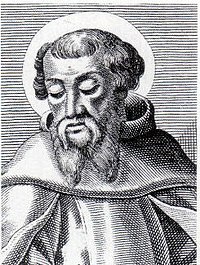 |
| Saint Irenaeus, who created the saying |
Let's begin with the original saying. The Glory of God is Man Fully Alive. This sentence is a simple sentence. No commas. Only one clause. Yet, it has an incredible amount of meaning. The surface of this quote seems to say that God's awesomeness is only when man is fully alive. That's false. Remember, God is perfect. Nothing can make him better. So let's draw a distinction between glory and awesomeness. Being awesome is when you're awesome. Glory is when you're awesome and people see it. Glory is when a pro baseball player hits a home run in the finals of the World Series. Awesomeness is when he does that same hit during practice. So God's glory is something we see. From here, I think the conclusion is that Man Fully Alive is what allows us to see God's glory. So let's discuss what God's glory is. God created mankind to be with him, meaning we are supposed to follow his calling. All that we do ought to be given up to God. Otherwise, we would be violating our purpose of existing. As such, we must do what we can to witness God. So that means we need to listen to that internal voice to be with God.
So what is God's message to us? Well, this comes in many forms. The first is pretty subjective. THe most obvious way God speaks to us is through some kind of vocation. While we can verify that God calls everyone to follow a career path or act in a certain way, there isn't some definite example of God's call to us, as everyone is called to do something different. The second way, the more important way, we are called by God is to love others. As Christ said, we should "Love others as I have loved You." What makes love such a central part of what it means to be Catholic? Well, we're all equal. God made us to be in union with him, meaning we all have an equal "dose" of humanity. This means we can't just arbitrarily assign what it means to be human. All people are different. That's what makes us similar. In that way, God calls us to love others as we lover ourselves, because others have the same human dignity and moral worth as we do.
So now let's go further and analyze why being fully alive means accepting the Glory of God. Man was created by God for one reason: to be in his presence. This means that in order to truly be happy, to be true to our essence, we've gotta be with God. This is where the saying really culminates in a simpler meaning. In order to be fully alive, in order to fulfill our purpose, in order to be happy, we have to be with God. God's glory is the only thing that makes us happy. That means we must do thigs for God's glory and not our own. We shouldn't have the idea that everything we do is for us. We should do things for God. That also means doing things for others. Since, again, God created us equal, we have to respect that and follow that. Honoring God and God's will means helping others, bringing glory to them and not ourselves. So, to sum it up, being man fully alive, acheiving the Glory of God, is treating others as God treats us in order to respect him as we respect ourselves.
Wednesday, May 15, 2013
What is Evil?
 |
| Artistic Depiction of Satan |
When we discuss what evil is, we discuss something we perceive as negative. The human body is great, but it experiences sickness. Does that mean a sick body is bad? No. A sick body is merely a body corrupted by a virus or bacteria. Another analogy for evil is cold. Cold isn't something that actually exists. It's a lack of heat. To apply the analogy, good is like heat. Good is God. Anything that isn't close to God is therefore evil. That's where the corruption comes from.
The next question is why that corruption exists in the first place. If God created everything to be good, how did it get corrupted? This is a little long-winded, so get comfortable.
First, we start at where evil came first. God did not create evil. Rather, he created angels. At the time of their creation, he revealed parts of his plan to each one of them. Remember, God and the angels are metaphysical, so they aren't bound by time. At their creation, with the knowledge of God's plan, some of them "fell." The Fall refers to those who chose to take their own power. We can agree that this seek for power on their part is bad. So since we can agree that they did something evil, how did it come about? If everything was good, what made something have a bad thought? Well, the thought of being second to God served as a temptation for some. In the beginning, authority and power were good. They were corrupted during the Fall when some demons chose to take power and authority for themselves Their autonomy allowed them to take what was good and turn it against God. If you have a screwdriver that you use to build, you can just spin it the other way to make it destroy. In the same way, power is a neutral object. It exists, but can be good or bad. In the Fall, some angles turned the screwdriver the wrong way. They simply turned it in a different direction and started the corruption.
Here's another analogy. Think again of the human body. It's pretty good. There are some sicknesses that are corruptions, however. So separate from these corruptions, lets see if the human body is perfect. It isn't. It has some corruptions that exist for no reason. People have wrong numbers of chromosomes, different DNA structures that become cancerous, and corruptions in the body that exist without outside influence. These exist because corruption is not an evil in itself. I've been wrong in this article calling it "corruption." It's actually change. You can change something for the better or for worse. Change itself, the action of change, is not swayed either way. Evil stems from change. People change and use free will to turn away from God. That caused the Fall, and it causes sin to this day.
Now, this concept does seem to fall to an infinite regression. While it would seem to suggest that evil is a corruption, that would also beg the question of what corrupted force corrupted it in the first place. If you thought that, I commend you, you seem intelligent. The answer to that is a clarification mod a corruption of good. Since God is infinitely good, anything away from god is the perception of evil. That means anything finite is subject to evil. Since God is also infinite, anything he creates is finite. Creating something infinite would clash with God's infinity itself, meaning he would never do it. Thus, everything God creates is finite and thus subject to error. You can't have two infinities. It's just not possible under the whole concept of infinity.
On Young Priests

This post isn't a "be a priest" post. It's a "follow God" post. We seek money in our jobs, to be successful, and to be rich and famous like other people we've seen. But is this fulfilling? Referring to a previous post, we can look at how the Church is not rational. As part of the laity of the Church, all Catholics are called to follow God in their respective ways. Some will be engineers, others doctors. Some will turn out as multimillionaires, others will live a life of poverty as priests. Whatever God's call, we ought to follow it. Happiness isn't rational. You can't reason your way to happiness. Instead, you can reflect and follow God's will. God's will, that meta-rational vocation you feel somewhere deep, isn't there to be ignored. It's there to lead you to your own true happiness.
Tuesday, May 14, 2013
Why Homosexuality is a Sin

As another clarifiaction: This post in particular only deals with the Catholic view on homosexuality. This is not a post addressing the constitutionality of gay marriage. For information on the Catholic view on what powers the state has for gay marriage, see this post.
Why is homosexuality frowned upon? What is the reason why the Church condemns it? These are very common questions. In this post I plan on establishing what makes homosexuality a sin. I will also clear up the Church's teaching on homosexuality and pre empt many arguments people will make against this post. If you are for gay marriage or believe the Church ought to allow for gay marriage, I suggest you stop reading. The points in this post will disappoint you.
Let's start on why homosexuality is considered a sin. God's very first commandment towards man, even before the rule of the tree of knowledge of good and evil, was to be stewards of the Earth and to populate all of the lands of the world. The first beef with homosexuality ought to be obvious. It doesn't allow for reproduction. As much as people try to say God just wants us to not be bad and kill people, he did specifically say in Genesis that we are to populate all of the lands of the Earth. If that isn't a condemnation to homosexuality, I don't know what is.
Another point of reference our creation in God's image. This means we ought to follow what our bodily function is in order to be in a presence with God. Did God give both sexes both sets of reproductive organs? No (a quick look down should verify that). So what does that mean? That means that, in order to align with the will of God, we must accept heterosexuality. Homosexuality violates what God has created. He created a man and a woman for the sake of a marriage by flesh. Such a marriage, a bond, is not meant to be possible between man and man, or woman and woman. As such, God's will was to create us as heterosexual.
To be more philosophical about it, we are meant to fill a certain form. The form we were created with is defined by God. If we are to choose to follow God's will, we would follow his map for how we ought to live. By creating us in a certain way, God defines a nature we ought to follow. This means that following God first requires that we do not corrupt the ways we use our bodies.
Now let's refute common arguments of those who support "homosexual rights."
The first, and most common argument, is that it isn't a choice. While this argument seems like a superbly clever move, there are quite a few problems with it. The first, and most important, is concupiscence. A result of Original Sin is that we are more inclined towards sin. This means that the idea that it 'isn't a choice' is, in fact, unimportant to the question of sinfulness.
Another problem with this argument is that we are not condemned for our temptations of the flesh. We are sinners because of our choices to act upon them. That means the feelings you may feel about your sexual orientation do not matter in terms of your salvation. Rather, you must be able to choose God's will and not follow those desires.
The final problem with this "It's not a choice" argument is that it fails to establish a temptation. In an ideal world, there is no temptation. Nobody sins. However, there's always that odd nagging feeling at the back of our mind that has dark thoughts we never tell anyone. Whether it's the odd, involuntary temptation to use a gun in the wrong way, or imagine using a knife to inflict self harm, or getting the feeling of "I'll just jump," while staring over a cliff, we've all felt odd desires from some pretty dark places. But the reason those seem horrible to think about is that we don't listen to that voice. That voice is there, it talks to us, it feeds us evil thoughts, counterintuitive thoughts, but we don't ever listen to it. When people say there's no choice in being homosexual, it's that same idea. You feel it involuntarily, and think that it must be a deeper part of you because of it's irrational nature. But that's far from the truth. Just as Adam and Eve were tempted, Satan and other demons of hell tempt everyday people in a way that seems like it's us doing the thinking. That's not it. That's an alien force tempting us to do something, a force we don't quite understand because it escapes physical bounds. It's not a higher part of the human soul, but a lower part of our humanity ingrained in our concupiscence. It is a temptation of the flesh, twisted by the evil of demons. It's definitely not us. It's definitely not God.
Another argument made is "if it's not natural, why do so many species of animal do it?"I'm not gonna sugarcoat it; that's a stupid claim. First of all, not all animals were created in God's image. As humans, with rationality, the ability to form a community, self awareness, and, most importantly, consciousness, we are called to be more than just animalistic.
Second, humans are unique in regards to other animals. We have a rational intellect and a conception of God. We are self conscious. Discussing human sexuality and animal sexuality together is like comparing apples and oranges.
Third, there are plenty of other counterintuitive things animals do that we choose not to do. Other animals walk on four legs. Should we start making shoes for our hands? Wait, we couldn't do that, since animals don't have shoes. Why are we even talking? All other species of animal kind of grunt and gesture at the nearest food source.
Now, let's hypothetically say the above arguments are false. Why can't the Pope change doctrine? The Pope never tells us what doctrine is. He tells us what it means. There is a distinction. He doesn't change what the rule is, or what Christ said. Christ is God. That's just a given part of the Holy Trinity. As such, that which Christ teaches must be true. Since God is infinitely good, Christ must be as well. Thus, all that Christ teaches is infinitely true. That means the Pope can't change doctrine. He merely redefines it to meet current standards of the world.
What are Angels and Demons?
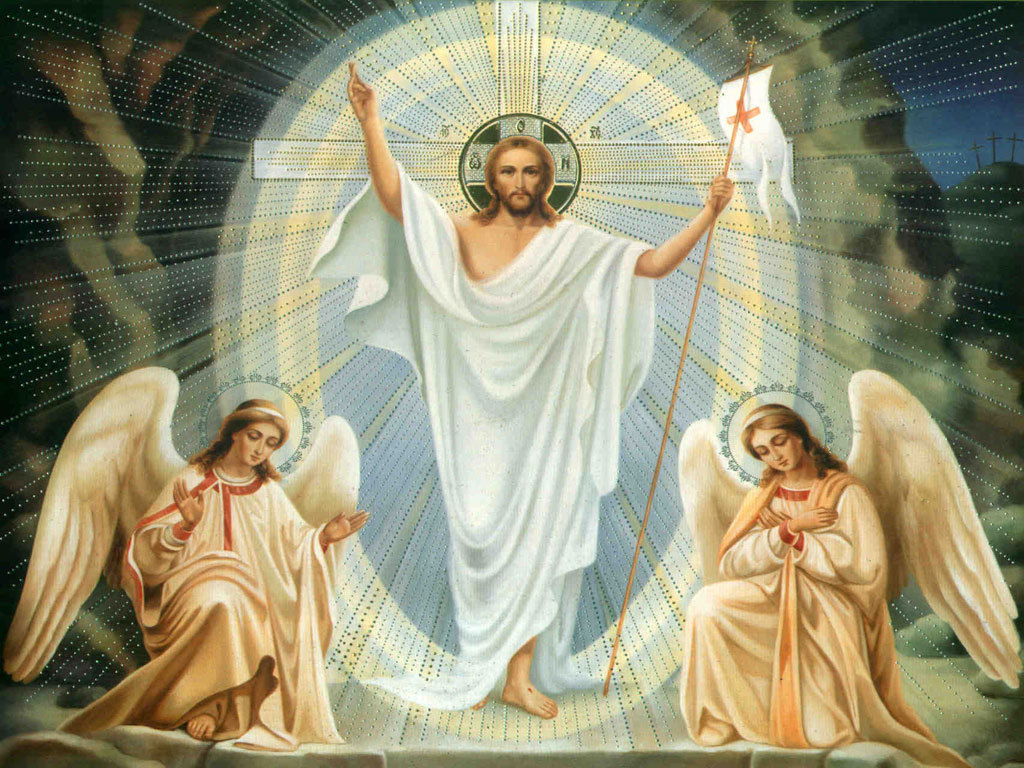
So what exactly is an angel? Other than the brief description above, an angel can be described as a finite, metaphysical, rational being created by God to assist him in his plan for human salvation. While some turned away from God at their creation, others have stayed with God. The Church teaches that there are at least as many angels as there have ever been, and ever will be, people. That means there's a guardian angel for Johnny who lives down the street, Brad Pitt, and you. These angels are all revealed an equal amount of God's plan. Other than that, there are angels that assist God in his plan in a more general sense.
So now let's discuss whether fallen angels can be redeemed. No. That's the quick answer. The long explanation is that they have an intellect and rationality, but not a body. Because of that, they are transcendent of time and have no chance to learn more to change. While angels are not confined by time, humans are. That means we have time to change and be redeemed. Angels, on the other hand, do not. They are outside any conception of time, meaning they do not have the "time" to be redeemed. Furthermore, they cannot learn more than what is told them at their creation. As such, they can't develop any new knowledge. So salvation isn't that they never had a choice, it's that they can't make another.
Perfect and Imperfect Contrition

Let's begin on what contrition means. Contrition is a word that describes the feeling of sorrowfulness that we feel because of our sins. While it's topically a similar feeling, pierce the surface just a little and you notice exactly why it's different. THe intention is what really counts here. In this case, the end is affected by the intention. Imperfect contrition aligns with "well I don't wanna be condemned to hell, so I'll go to confession." Is that the holy thing to think? Absolutely not. We are meant to love God and to cherish him. That means we should value our relationship with him for more than avoiding eternal damnation. As Catholics, we should strive to love God. Moreover, the feeling of fear of hell is a selfish feeling. When we rationalize in the way that would best benefit us it makes us selfish in the sense that we are still thinking of ourselves and only ourselves. That means imperfect contrition not only allows the possibility of future sin, it re-entrenches it.
So how do we achieve perfect contrition? It's a simple and nuanced thing we call love. We should love God, not fear his wrath. What's the distinction? First of all, one of them is a negative feeling. We're afraid of God instead of embracing him. We try to do what he says to flee his actions. The other involves us embracing his ideals and his actions to become closer to him. That means imperfect and perfect contrition are fundamentally different. Second, a fear of God means we aren't truly understanding the justification behind his rules. He doesn't make rules to have power over us. He makes rules because they are the just and moral things to do. Recognizing the rule and the justification behind the rule and the fact that God is creating these rules out of love means we can be perfectly contrite and truly accept redemption. Otherwise, there's no way we can have true contrition because we just fear the effects of breaking the rules rather than understand the justifications for them.
Why Do We Confess to a Priest?
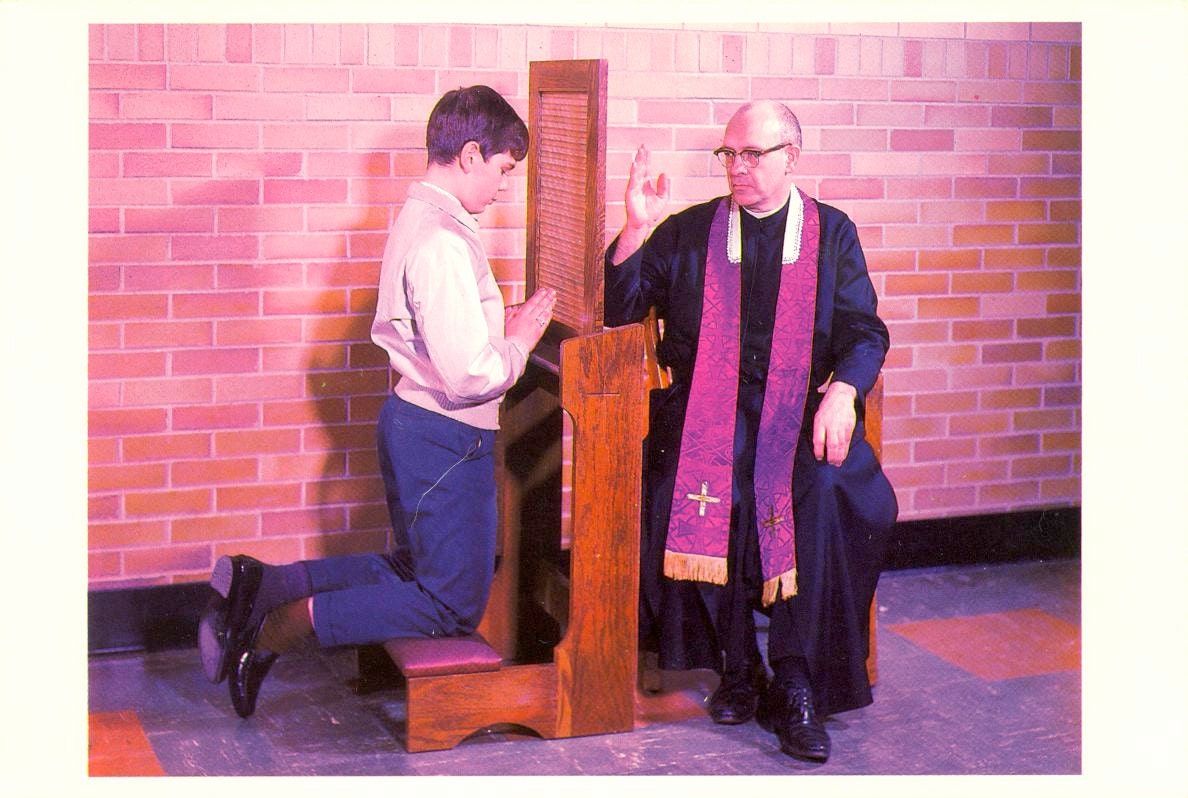
The quick answer is "penance." Penance is how we repay God after our sins. So why is penance necessary? Here's an example. A nine year old kid is playing baseball in his backyard and hits a ball into his neighbor's window. The window shatters and you quickly hide the evidence of your baseball game. After a couple of days, you feel guilty and tell your neighbor it was you. Is that the end of the story? No. Of course not. You're gonna apologize right? Maybe mow his lawn for free a couple of times. That's the penance. Saying "sorry" is the part that actually matters for forgiveness.
So where do priests come in? Well, priests are objective evaluators. You tell them your sins and they tell you what your penance should be. We can't just confess directly to God because we wouldn't be able to have a metric to objectively evaluate our penance. That's like a job applicant evaluating whether or not he gets a job. Of course he's gonna give himself the job! In the same way, we need a priest to objectively evaluate what our penance ought to be. Because of that, we confess in front of a priest.
Here come some interesting justifications as well. Similar to that of the previous paragraph, we cannot evaluate if we have sinned objectively. How on earth could we confess our sins directly to God if we can't objectively evaluate them? Because of concupiscence, and our inherent sinful nature, we cannot objectively evaluate what's right. That's why we sin in the first place. As such, we need someone else to objectively evaluate our sin.
Monday, May 13, 2013
The Church and its Availability
In the Church everyone is welcome, but there are always some stipulations. For example, if an owner of a sports team offers everyone to play, then anyone is welcome to play as the owner said; however, if someone never dribbles while they are playing and the owner yells at the, the owner is somewhat at fault or should at least have not yelled, but the player is at fault as well.
Should the owner have yelled? Should he not have? Is he wrong for getting angry? There is no fully correct answer to any of these questions. The best answer or one of the better ways to handle this would be to call him off the court and teach him the rules and the workings of the game of basketball with demonstrations illustrating what and how he intends everything to be perceived, understood, and performed. In hand, that is why there are coaches of teams, in order to teach and educate about the game.
Now, is the player at fault for not dribbling, assuming it was done so unintentionally? Knowing that he lacked knowledge on the game of basketball was he wrong to participate? The player is in no way at fault and should have participated and not scolded as one only gains knowledge through experience. Although, the player should have at least taken some interest or at least demonstrated some effort in how or what goes into what he is doing. It is not using all the information available or truly any at all in finding out about something but really taking a blind leap into something that we have absolutely no knowledge about. Instead, the better thing to do is discover at least some knowledge or a basis of knowledge about something before diving into it.
There are both better ways to accomplish what each person was trying to accomplish but sometimes at the time these ways are not clear. However, if the mistake is realized and the end goal is accomplished then it can be considered successful. On top of that, if this situation arises again then the right way must be performed otherwise it truly is a mortal sin because they are aware of the other way to better take care of this situation.
Should the owner have yelled? Should he not have? Is he wrong for getting angry? There is no fully correct answer to any of these questions. The best answer or one of the better ways to handle this would be to call him off the court and teach him the rules and the workings of the game of basketball with demonstrations illustrating what and how he intends everything to be perceived, understood, and performed. In hand, that is why there are coaches of teams, in order to teach and educate about the game.
Now, is the player at fault for not dribbling, assuming it was done so unintentionally? Knowing that he lacked knowledge on the game of basketball was he wrong to participate? The player is in no way at fault and should have participated and not scolded as one only gains knowledge through experience. Although, the player should have at least taken some interest or at least demonstrated some effort in how or what goes into what he is doing. It is not using all the information available or truly any at all in finding out about something but really taking a blind leap into something that we have absolutely no knowledge about. Instead, the better thing to do is discover at least some knowledge or a basis of knowledge about something before diving into it.
There are both better ways to accomplish what each person was trying to accomplish but sometimes at the time these ways are not clear. However, if the mistake is realized and the end goal is accomplished then it can be considered successful. On top of that, if this situation arises again then the right way must be performed otherwise it truly is a mortal sin because they are aware of the other way to better take care of this situation.
Saturday, May 11, 2013
Why Freedom Matters

The second question asked is why God didn't just force everyone to be saved. Why were we created with sin? We weren't. That's the thing. Adam and Eve were sinless for God knows how long. Eventually though, they were tempted by Satan to eat of the fruit, and they turned against God. We weren't born with sin at the very beginning. Rather, it entered the world when temptation got the best of Adam and Eve. So let's discuss why God hasn't coerced everyone into becoming saved. If God forced us to be saved, he would also be taking away the same quality that makes it possible for us to be with God. If our autonomy doesn't exist, or is commonly trumped by God, then we lose the human condition that lets us be in the presence of God. However, that begs the question of why God hasn't just redeemed everyone. To all of you bad Catholics and Christians who think that, remember that he did. He sent down Christ. Christ is there whether we want him to be or not. We can banish sin if we choose and be with God if we choose. But we have to make that choice. We can't expect God to coerce us into loving him. That's not loving God, that's just contradictory.
Tuesday, May 7, 2013
On Bumming
God's grace is universal. He treats us all with dignity. While some people are just too lazy to get off of their butts to get a job, there are many who simply cannot find a job. My personal opinion is that you ought to seize opportunities. You can't just bum on the street, collecting money from the government, and doing nothing to support yourself. On the other hand, it's not always so easy to get a job. Further, people who try to get jobs while homeless are many times not in respectable clothing, social standing, or what would be considered a good condition for a job. If you don't give someone a job, how can you expect them to get one? When people walk by and say "Get a job, bum" they aren't helping. Rather, they are only entrenching the poverty the person experiences, as they force them to feel demoralized as a human being. To say "Get a job, bum" when you wouldn't accept them into the job.
The second point about those who are homeless is that of helplessness. We can say you should get a job and stop "bumming" but that doesn't allow for us to see the humanity in others. What would you do in that situation? Everyone has had a situation where they were hopeless, helpless and just wanted some help. By forgoing this person's humility and calling them a "bum," we fail to recognize both their humanity and our own. We turn off an empathetic part of our mind in order to feel a bigoted sense of superiority from being able to say someone else isn't as good as us. But what is that temptation? Concupiscence. This is how we relate degrading others to sin. Degrading others and not respecting their humanity generally stems from us choosing to not recognize our equality in the eyes of God. When we do so, we violate others in a sinful temptation that causes us to degrade ourselves. By not recognizing our own humanity in others, we fail to fulfill the human condition of empathy.
The second point about those who are homeless is that of helplessness. We can say you should get a job and stop "bumming" but that doesn't allow for us to see the humanity in others. What would you do in that situation? Everyone has had a situation where they were hopeless, helpless and just wanted some help. By forgoing this person's humility and calling them a "bum," we fail to recognize both their humanity and our own. We turn off an empathetic part of our mind in order to feel a bigoted sense of superiority from being able to say someone else isn't as good as us. But what is that temptation? Concupiscence. This is how we relate degrading others to sin. Degrading others and not respecting their humanity generally stems from us choosing to not recognize our equality in the eyes of God. When we do so, we violate others in a sinful temptation that causes us to degrade ourselves. By not recognizing our own humanity in others, we fail to fulfill the human condition of empathy.
On Dolan's Sermon
 |
| New York Archbishop Timothy Dolan |
For those who have committed horrible deeds, the Church welcomes with open arms. The church has no elitist structure. Rather, it has the opposite. Being Pope or Cardinal means nothing in terms of authority. You just become more of a puppet of God. This also shows a key to sainthood. Saints did not free themselves totally of sin. Christ even condemned those who stated they were sin free, denouncing them as hypocrites and showing all people how they are not holy. Rather, saints, on the other hand, are those who accept their sinfulness. They say "Wow, I'm a pretty sinful guy. I'll change that." So those who become free of sin first must deny their holiness. If you have the idea that you're sin free, it means you aren't going to ever compensate for your sins. You'll go on thinking you're perfect. Rather, we are called to overcome our sin and become better people, closer to God, because of it.
Saturday, May 4, 2013
Blasphemous Kentuckians
Kentucky is the home to the Kentucky derby, bourbon country, and now... female priests? While the Church treats all people as equal in God, it does not allow female priests. This has caused the Church to come under a huge amount of fire. However, there are good reasons for this.
 |
| Lady Blasphemy Herself |
First: Christ instituted the Church with twelve male disciples. Does this mean Christ was sexist? No. Absolutely not. Christ did not choose men because he thinks them superior. Rather, Christ chose men as they held a greater amount of power in the time. In the culture around Christ, women did not have much freedom. They did not go out in public often, and were not treated equal to men. Why hasn't this changed? Well, Christ has further reasons for choosing men. God gave men and women different roles. While women have led in the past, they do not have as much of a seat in the Church. Rather, women have a different role. This role is not just to serve men, but it doesn't involve Church leadership, either. The Bible is structured with men in charge for reasons unknown to us. We don’t know why God designed it that way, but that’s the way he did. That means that, since God is perfectly good and infinite, the reason, whatever it is, is valid and true. Now why can’t roles change? Roles don’t reverse because if a woman is not purposed with a deed they ought not do it. You don’t get a dog to pull your carriage. You get a horse. You don’t power your car with a flashlight. It’s absurd. The same way, since women aren't necessarily purposed with leadership in the Church, they have no reason to serve in positions of “authority.”
Second: The Church is not at all oppressing women. No matter how many feminists say the Church is made to be oppressive, it is utterly ignorant of what it means to be Catholic. To be Catholic is to be in Communion with God. We are made to be close to God, and the Church is our instrument to do that. As such, all women and men are equal as children of Christ. Moreover, the Church isn't like a government. The Church does not give people power within it. Rather, the Church allows people to become larger servants. Being Pope isn't like being king. Rather, being Pope means being a larger messenger of God, a larger speaker to amplify his message. As Pope, your only extra ability is conveying God’s message.
Third: we are all priests in different ways. Just because women can’t be ordained as the “official” priests we call priests, does not at all mean they don’t participate in the common priesthood. Those who support priesthood for women are more than a little bigoted, as their heads are too big to realize that women are priests in the Church with different, but equal vocations. Just because you didn't go to a Catholic school as a child does not give you an excuse to butcher Catholic doctrine and call it true. Moreover, those who support ordination for women are just posers. They aren't Catholic, and never will be Catholic if they do not understand what it means to be a priest. Being a priest does not just mean leading a mass. Being a priest means helping with God’s mission of spreading the word. So, to any of you feminists who want women to be ordained, read a little about what priesthood actually is before you try to preach heretical blasphemy.
Wednesday, May 1, 2013
Miracle of Lanciano
 The miracle of Lanciano is a physical miracle about the Eucharist as Christ. The priest who was blessing unleavened bread was unsure of the nature of Christ in the bread. As he blessed the bread, the bread became Christ and his flesh, and the priest had no more doubt. So what does this mean?
The Eucharist is Christ. Not necessarily in a physical way, but in a metaphysical way. WHile Christ is a human and not a loaf of bread, the part that makes Christ our savior is metaphysical in nature. This is because his nature as God is spiritual and transcendental, meaning it is above physical existence. Because of that, Christ can be instituted in the host as God himself. Further, the host being Christ is important for the sake of what it means. The reason for Communion is to be one with God. When we partake of Christ, we make him a physical as well as a metaphysical part of us. Furthermore, Christ need not be represented in his physical form. After the Ascension, Christ became totally metaphysical, meaning he doesn't need to be represented in a physical form. Because of that, he can be present metaphysically anywhere at anytime, including in the host during the celebration of mass.
The flaw the priest had in the miracle of Lanciano was that he was doubtful of the true divinity of Christ. Had he truly believed in the divinity of Christ, he would have realized Christ does not have to be physically present to be present. As such, the priest committed a theological error in doubting the nature of Christ as metaphysical when he didn't believe Christ could be a part of the Eucharist.
Tuesday, April 30, 2013
Catechumenate

What is the Catechumenate? What does it entail? Who does it entail? Is it good or bad? Does it relate to the Easter Vigil today? If it does it so, how does it relate to the Eastern Vigil today?
Catechumenate is a process that involves four steps. It is a process that allows all to partake in God. It is the process that allows you to learn and acquire faith, and once accomplished, eventually become a member of the Catholic Church. However, it is only offered to those who have never been baptised. In effect, by undergoing this process at its completion it allows one to experience the three Sacraments of Initiation: Baptism, Confirmation, and Eucharist. Once all these Sacraments have been completed these people are officially in full unity with the Church.
It is not a sin to have to have gone through it as one may have previously not been exposed to or had the opportunity to receive these blessings or the ability to have faith. Although, in participating and realizing and understanding the Church and the faith it requires to be in communion with it is comes to great benefit as you become in communion with God by doing so. It shows that in doing so there is not a rejection of God but rather an acceptance to God just as God intended when he sent Christ to reveal his message and convert people in faith and belief of God. Therefore, the completion of catechumenate is not a sin but rather the opposite.
This is similar to the Easter Vigil because those who believe and shown faith in Christ are once again, just like the original occurrence, showing their desire for Christ and realize the grace and sacrifice in which he experienced for our salvation. It is a reminder of the establishment of the Church and the purposes in which it was for. On top of that, it shows the step forward that is remembered at the Easter Vigil, the step forward and progress the Church made in order to further aim to accomplish the mission of God which continues today.
Monday, April 29, 2013
Sacraments and Human Nature

Human nature guides us toward God. Human nature, as cliched in a huge amount of movies, seems to make us want to be a part of something bigger. While this isn't labeled as God in common culture, that’s what it is. Christ is pouring out, offering, grace for us to have, and it is our nature to take it. Since we want to be closer to God, it makes sense that whatever helps us become closer to God would also be a part of human nature. As such, Sacraments are a part of our nature. Moreover, Sacraments reflect something that humanity has reflected for all of its existence: progress. Grace helps us become better as people, and closer to God. Just like we strive to be closer to God, humanity has strove to become better as a race, be it through technology or philosophy or anything at all. Humanity strives to become better, and Christ gives us the grace to be better than our sin.
However, there is one specific sacrament that is visibly ingrained into the human psyche. Matrimony. Throughout history, there have been thousands of different cultures, religions, and practices of people from different locations. One thing that remains constant is the desire for love and marriage. People want’ to find love; people want to be a part of a relationship. This makes no physical sense. Rationally, we do not love. There is no love we can fathom rationally because it is inherently an emotive thing. That means love, and the quest for love, brings us emotionally closer to those of the opposite sex and to God.
The Sacraments Correspondence to Humanity
Through the Sacraments humanity is able to reach closer to God. The Sacraments are about the relationships with God and with each other. They relates to the human nature because of their goal and what they accomplish through their fulfillment. They accomplish two major things that relate to the connection to the human nature: the relationships and togetherness in faith of God and each other it requires, and how it brings us closer to God and doing so by living or following what he instructed to us while he was on earth.
The Sacraments force a togetherness and unity upon you and others who participate in them. It brings unity and connection and it is accomplished through faith. From marriage to Baptism they both require an installation and a recognition of faith in God and with others on earth. By living with and in connection of people and pursuing the Sacraments one is living as they should in the human nature. The Sacraments keep one’s human nature alive and thriving both on earth and later on in heaven.
The Sacraments bring us into connection with God. They help us endure life and do so through faith and purity. The ultimate goal in life is to be with God in the end and that is done through a life of faith and purity, living as Christ intended. Through the sacraments we can accomplish a life of virtue living in communion and in a relationship with God as he intended for the human nature from the start.
Friday, April 26, 2013
Easter vs. Christmas

The first argument for why Christmas is more important is that Christmas precludes because Christ had to be born. However, there are two responses to this. First, this commits the fallacy of origin: stating that since one thing comes from another we must value the first one as the second is valuable. Second, Christmas has no meaning without Easter. Christmas would just be an average birthday party except for the fact Christ is the Son of God. Further, Christ was Incarnated for the purpose of Easter, and the Paschal Mystery. THis means even with the fallacious preclusion argument, Easter comes first.
The question that arises is why people celebrate Christmas so much when Easter us truly more important IT's a simple answer. People celebrate Christmas to make a religious holiday more secular. The only reason Catholic and other denominational schools celebrate with two weeks off is because it's around the middle of the year. IT doesn't have to do wit the
holiday itself, but with the time the holiday falls in the year. I once asked an Atheist if she celebrated Christmas and she said "yea Christ was a great guy and we celebrate that." I heard that and I had a mini heart attack. Christ isn't just some person like Gandhi or Martin Luther King. Christ is much more. Christ is God Incarnate on Earth. Christmas is just secularized to become more acceptable to those outside the Church so they can celebrate it as well. It is by no means more importnat than Easter.
Subscribe to:
Posts (Atom)